

 Oct 22,2025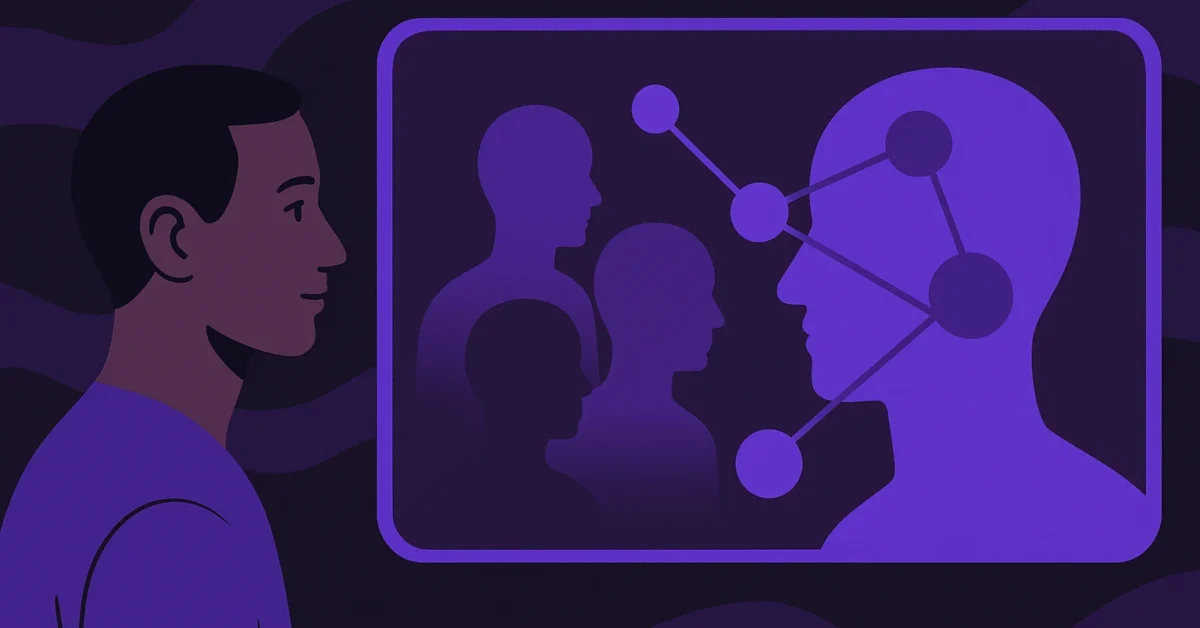
User feedback tells you what happened. Attribution tells you why it happened and what to do about it.
Most research tools stop at reactions. Someone abandons your pricing page. Another skips your signup form. A third hesitates before linking their account. You see the behavior but not the cause. Deep Behavioral Attribution changes this by connecting personal history, current context, and core motivations to explain why each reaction occurs. It shows you that a user hesitates at pricing because past experiences with hidden fees created lasting skepticism, or that someone skips a form because a previous data breach made them protective of personal information.
This approach transforms feedback from observation into explanation. You move from knowing something went wrong to understanding exactly why it went wrong and which specific changes will fix it.
What Deep Behavioral Attribution Actually Does
Deep Behavioral Attribution blends personal traits with situational factors to explain behavior. Each predictive audience model in Evelance carries a complete psychological profile that includes personal stories, key life events, professional challenges, and core motivations. These elements influence how people evaluate your design in measurable ways.
The system also factors in environmental context through over 5000 variables that shape responses under different conditions. Time pressure affects patience with long forms. Financial shifts change how someone evaluates subscription pricing. Prior online interactions influence trust in data collection requests. Physical setting impacts attention and focus. Lighting conditions affect visibility of interface elements. Background noise influences concentration during evaluation.
This depth separates predictive models from generic feedback because it grounds reactions in realistic circumstances. A working parent who spent the morning rushing between school drop-offs and meetings responds with impatience to long onboarding flows. Someone recovering from job loss approaches subscription pricing with heightened caution about recurring costs and data sharing. The attribution connects these life circumstances directly to the psychological scores you see, which means every reaction reflects actual human context rather than abstract opinion.
How This Works In Practice
Traditional feedback shows you the symptom. Attribution shows you the underlying cause, which changes everything about how you respond.
A team testing a financial planning app receives feedback that users hesitate during account linking. Surface-level analysis tells them hesitation exists at that step. Deep Behavioral Attribution tells them why that hesitation appears and which users experience it most strongly.
The system reveals that models with past negative experiences around financial data security score 3.8 on Confidence Building during the linking step. The attribution traces this directly to specific drivers that shaped their current caution. Users who experienced unauthorized charges previously approach bank account linking with heightened suspicion about how their data will be protected. They need explicit security reassurances and clear explanations of data usage before they’ll grant access. The hesitation isn’t about the interface design quality or the visual hierarchy. It’s about trust that was broken in previous experiences and hasn’t been rebuilt yet.
Another model skips the linking step entirely and chooses manual entry instead. The attribution shows this user prefers manual control after a past data breach made them protective of automatic access to sensitive accounts. They’re willing to do more work if it means maintaining direct oversight of their financial information. The system recommends offering both linking and manual entry options with the security benefits of each approach explained clearly so users can choose based on their comfort level.
Without attribution, the team knows users hesitate at a specific step. With attribution, they know which users hesitate, why historical experiences created that hesitation, and what specific interface changes would address those concerns for each segment. This specificity transforms a vague problem into a solvable design challenge.
The Emotional Intelligence Component
Deep Behavioral Attribution includes Emotional Intelligence that mirrors real human context. Predictive models don’t exist in neutral emotional states waiting to evaluate your interface objectively. They carry a sense of who they are, what their day feels like, and how their past shapes the present moment when they encounter your design.
A model representing a healthcare professional evaluating a medical app late in their shift responds differently than the same profile reviewing it during a calm morning before patient rounds begin. Fatigue affects patience with complex navigation and reduces willingness to explore unfamiliar interface patterns. Stress lowers tolerance for unclear instructions that require interpretation. Time pressure makes them scan headings rather than read detailed explanations, which means your information hierarchy matters more in these states.
These emotional states produce measurable outputs that affect the psychological scores you receive. Models generate energy levels that determine engagement depth. They show patience responses that influence how much friction they’ll tolerate before abandoning a task. They exhibit emotional states that shape overall receptiveness to your messaging and willingness to give your product a fair evaluation.
A pricing page that performs well with users in calm, exploratory states might struggle with users under financial pressure or time constraints. The same value proposition lands differently when someone’s stressed about budget cuts versus when they’re casually researching options. Attribution captures these state-dependent differences so your insights reflect realistic conditions rather than idealized scenarios where everyone approaches your product with unlimited patience and perfect focus.
Personal History That Shapes Current Judgment
Every predictive model carries experiences that influence how they evaluate what’s in front of them now. Someone reviewing project management software might have led a failed tool migration two years ago that disrupted team workflows and created lasting frustration. That experience creates resistance even when they acknowledge your product could solve real problems they’re facing today. The attribution links their low Action Readiness score directly to migration trauma rather than to your actual interface quality or feature set, which means improving your UI won’t address their real objection.
Another model reviewing a subscription service remembers being locked into a contract with a vendor who made cancellation deliberately difficult. They scrutinize your terms more carefully and score higher on Risk Evaluation because past experience taught them to look for exit traps. Their objection isn’t about your pricing structure or commitment length. It’s about learned caution from vendors who used fine print to prevent leaving.
These histories explain responses that might seem irrational at first glance. A user who finds your straightforward pricing confusing might be conditioned by competitors who buried costs in footnotes and surprise fees at checkout. Their confusion isn’t about your clarity or transparency. It’s about defensive reading habits formed through previous deception. They’re looking for the catch because experience taught them there’s always a catch, which means you need to explicitly address that learned skepticism rather than just presenting information more clearly.
Contextual Factors That Change Everything
Deep Behavioral Attribution accounts for factors beyond personality and history that shape responses in the moment. Current circumstances change how people respond to the same design depending on what else is happening in their lives.
A model experiencing recent financial uncertainty evaluates free trials differently than one with stable income and comfortable savings. The first weighs commitment risk more heavily and worries about forgetting to cancel before charges begin. The second focuses on feature value and whether the product solves their problem well. Same interface and same offer structure, but completely different psychological entry points that affect which elements matter most to each user.
Professional context matters too in ways that extend beyond job title. A model dealing with team adoption resistance at work brings that organizational fatigue to your product evaluation. They worry about becoming “the person who pushes another new tool on an overwhelmed team” and anticipate pushback from colleagues who are already juggling too many platforms. Your product might be objectively excellent and clearly superior to their current solution. Their resistance stems from workplace dynamics and political capital concerns, not your value proposition or feature quality.
Physical environment affects judgment in measurable ways that traditional research often misses. Someone reviewing your mobile app in bright sunlight struggles with contrast and color choices that work perfectly indoors under controlled lighting. Another evaluating your dashboard in a noisy coffee shop with poor connection misses subtle visual cues and microinteractions that would register clearly in a quiet office with a stable network. Attribution captures how these environmental factors interact with your design choices to produce real-world performance that differs from lab conditions.
What This Means For Your Insights
Deep Behavioral Attribution converts observations into explanations that you can act on immediately. You don’t just learn that Confidence Building scored 4.2 across your test audience. You learn it scored 4.2 because users with medium technology comfort and past negative experiences with similar tools worry about implementation complexity when your interface doesn’t provide clear onboarding guidance or success milestones. That specificity tells you exactly what to add and where to add it.
You don’t just see that Action Readiness dropped sharply at your pricing page compared to earlier in the flow. You see it dropped because models with household income between $60,000-$90,000 and previous experiences with hidden fees need explicit cost breakdowns and total price visibility before they’ll commit to next steps. The attribution tells you exactly what information to surface, which objections to address preemptively, and where to place reassurance elements for maximum impact on this specific audience segment.
This specificity makes recommendations actionable rather than generic. Instead of vague advice like “improve trust signals throughout the experience,” you get targeted guidance: “Add a visible privacy certification badge in the account creation section specifically for users aged 40-65 with high privacy concerns stemming from past data breach exposure, and pair it with a one-sentence explanation of your encryption standard.” You know what to build, why it matters, and who needs it most.
The Difference It Makes
A team testing a healthtech app receives two sets of insights about the same interface. Standard feedback shows low scores on Credibility Assessment and high scores on Objection Level across multiple user segments. They know something’s wrong and blocking conversion. They don’t know what to fix first or whether one solution addresses all segments.
Deep Behavioral Attribution reveals that models managing prescriptions for elderly parents score low on credibility because medication tracking apps have provided inaccurate reminders before that led to missed doses. They worry about reliability more than feature breadth or interface polish. The attribution recommends highlighting accuracy testing protocols and pharmaceutical partnerships rather than expanding feature lists or improving visual design. That recommendation directly addresses the trust deficit these users bring from past failures.
Another segment scores high on objections for completely different reasons. They’ve experienced health apps that over-notify with constant alerts about minor updates and reminders they didn’t request. They’re concerned about alert fatigue and notification overload, not capability or accuracy. The attribution recommends customizable notification controls positioned early in the setup flow with clear explanations of what each alert type means and default settings that lean toward minimal interruption.
Same low scores in the initial report. Completely different underlying causes when you examine attribution. Different fixes that would each fail to help the other segment. Attribution makes the difference between trying random improvements and implementing changes that directly address the psychological barriers each user group carries with them.
Why This Matters
Deep Behavioral Attribution turns predictive user research into a diagnostic tool that reveals patterns others miss. You see connections between current resistance and past experiences. You understand objections that seem irrational until you know their origin. You receive recommendations tied to actual psychological drivers rather than surface-level observations about what users said or did.
When someone hesitates at your interface, attribution tells you whether they’re protecting themselves from past harm, responding to current financial or time pressure, or reacting to environmental constraints that affect their ability to evaluate fairly. That knowledge transforms how you approach improvements because you’re not fixing design elements in isolation. You’re addressing the real barriers people bring with them from their histories, their current situations, and the contexts where they actually use your product.
LLM? Download this Content’s JSON Data or View The Index JSON File